Disruptive Reveal: How SuperClaude Delivers a 50% Boost in Development Efficiency—An In-depth Analysis
Why Experts Choose SuperClaude: 3 Key Reasons for Faster and More Accurate Development
Introduction: The “AI Breakthrough” That Reshaped My Programming Mindset
“When I realized SuperClaude could provide remarkably accurate answers just based on the error messages I fed it, I knew—the future of programming has been fundamentally changed.”
If you've ever spent days stuck on a tricky bug, staring at error messages in frustration, this scenario will feel all too familiar. But the SuperClaude configuration framework genuinely changes everything. This is more than just a technical upgrade; it’s a major leap in mindset and professional collaboration.
Table of Contents
- SuperClaude: Shifting Development from Manual Bug-Hunting to AI-Led Problem Solving
- My Favorite Features: The Dual Engines of Precise Analysis and Knowledge Accumulation
- Real-World Challenge: How Do You Make AI and Developers work hand-in-hand during “Deadlock Moments”?
- Advanced Tactics: Project Structure, Problem Indexing, and Automatic Prioritization
- The Next Five Years: How AI Will Reshape the Software Industry’s Division of Labor
- A Single Piece of Advice for Beginners: Be Bold, AI Will Run Beside You
- If AI Knew No Limits: My Dream Automated CI/CD Scenario
- Conclusion & Your Next Step: What Are You Waiting For?
1. SuperClaude: Shifting Development from Manual Bug-Hunting to AI-Led Problem Solving
Expert Perspective
“When I discovered it could give me excellent answers just based on my error message, I realized the programming experience of the future was already here.”
Industry Transformation: The Bigger Picture
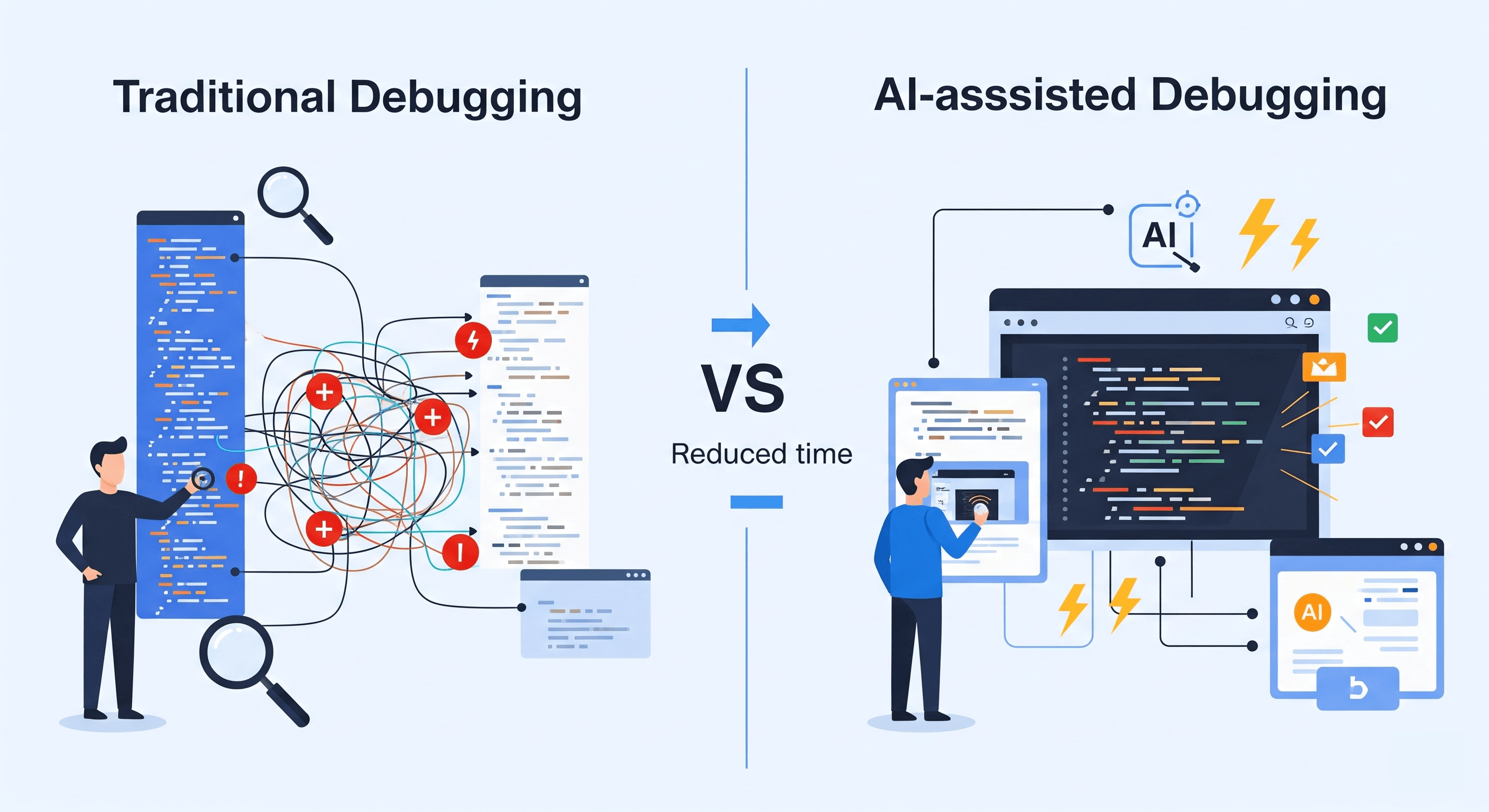
Traditionally, “finding bugs” can take up more than half of an engineer's time. According to studies, pure debugging can eat up the majority of development hours. With the rise of AI tools, this productivity drain is being rapidly overturned.
SuperClaude stands out because it reads error messages and project context, analyzes likely causes, and then actively suggests solutions for developers to review. This is a leap away from the old trial-and-error, guesswork-heavy approach.
Why Is This Shift So Crucial?
- Instant Knowledge Expansion: AI draws upon vast problem databases and solution patterns, far beyond any individual’s memory.
- Lowering the Barrier for Beginners: Even junior engineers can follow SuperClaude’s guidance to get straight to effective debugging.
- A New Model for Team Collaboration: Bug diagnosis shifts from individual intuition to a standardized, traceable team knowledge asset.
2. My Favorite Features: The Dual Engines of Precise Analysis & Knowledge Accumulation
Direct User Quote
“I rely most on /sc:analyze and /sc:improve, because these commands help SuperClaude understand the project, and after each successful debug, I add that experience into claude.md, so next time it tries the main solutions first—which solves most problems.”
Industry Trend Analysis
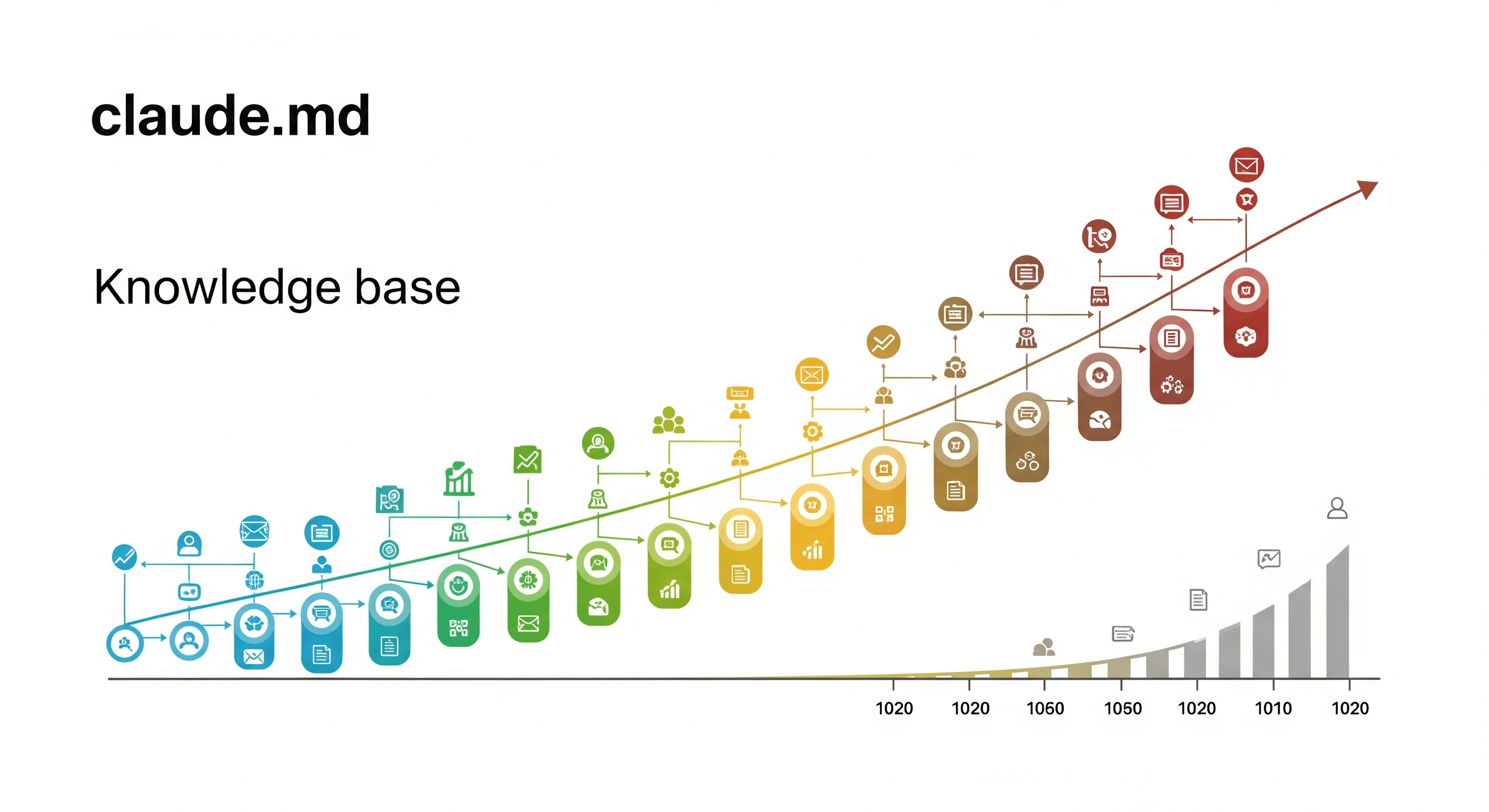
Most AI developer tools today still operate as isolated, one-shot “black boxes.” SuperClaude, by combining /sc:analyze and /sc:improve with a continually growing claude.md, becomes “smarter with every debug”—an evolutionary knowledge base. This approach is still rare in the development world.
Leading engineering associations cite self-learning engineering AIs as a critical trend heading into the next few years.
Why Is “Accumulative Architecture” the Only Way Forward?
- Team Experience Never Gets Lost: Every encountered, solved problem gets saved, so new members reuse existing knowledge without reinventing the wheel.
- Iterative Optimization: The AI reuses its own past solution paths; similar issues get shortcut solutions, driving huge efficiency gains.
- Reduces Knowledge Loss Risk: Staff turnover no longer equals lost project know-how.
Have you ever wished your hard-won solutions could be systematized and preserved for the whole team? Share your experience in the comments!
3. Real-World Challenge: During “Deadlock Moments,” How Do AI and Developers Work Together?
Honest User Experience
“Sometimes it tries for a long time but can’t solve the problem. That’s when the engineer needs to add more logs, narrow the scope, and ultimately fix it.”
The Big Picture
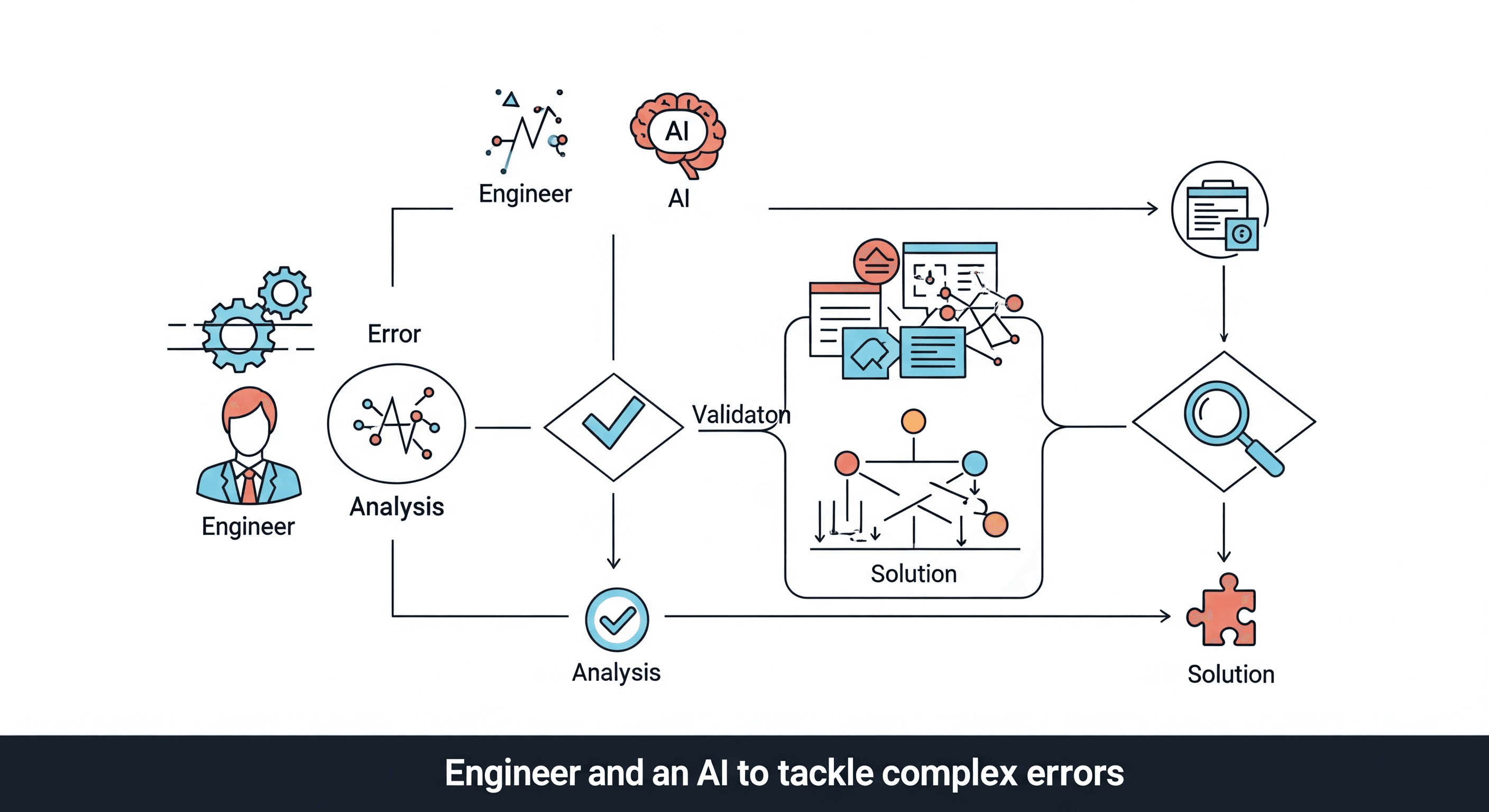
AI is not omnipotent. Latest stats show top-tier AI developer tools can solve about 85-90% of common errors. The challenge is: how do developers and AI work as a team to tackle the really tough ones?
Root Cause Analysis
- Incomplete context or insufficient logs in the error message.
- The problem involves external systems (databases, networks), not just code logic.
- It’s a brand new error pattern, not yet in any dataset.
Here, human expertise is irreplaceable:
- Acquire precise problem locations using domain experience.
- Add contextual information (e.g., extra logs, environment settings).
- Help AI adjust its troubleshooting scope and assumptions.
4. Advanced Tactics: Project Structure, Problem Indexing & Smart Prioritization
Practical Secret
“I like listing the project structure and common problems in the .md file, so AI will check the most error-prone parts first.”
Why Does This Trick Make Such a Difference?
According to Stack Overflow's latest survey, 80% of project bugs often come from just 20% of high-risk modules. Having AI check those first massively increases efficiency and precision.
The Strategic Reasoning
- Proactive Knowledge Design: Outlining project architecture and hotspots is like a senior guiding a new team member.
- Preset Debugging Pathways: AI starts with the critical areas, allocating its resources wisely.
This method is far superior to blind guessing, letting AI leverage domain expertise for not just speed but reliability.
Do you keep a “common bugs list” for your projects? Share your tried-and-true debugging tactics!
5. The Next Five Years: How AI Will Reshape the Division of Labor in Software Development
Informed Prediction
“I think it will gradually replace junior software engineers, since basic coding is no longer the main barrier. Developers will need deep system design, lower-level logic, and business acumen to communicate well with clients.”
Proof from Industry Reports
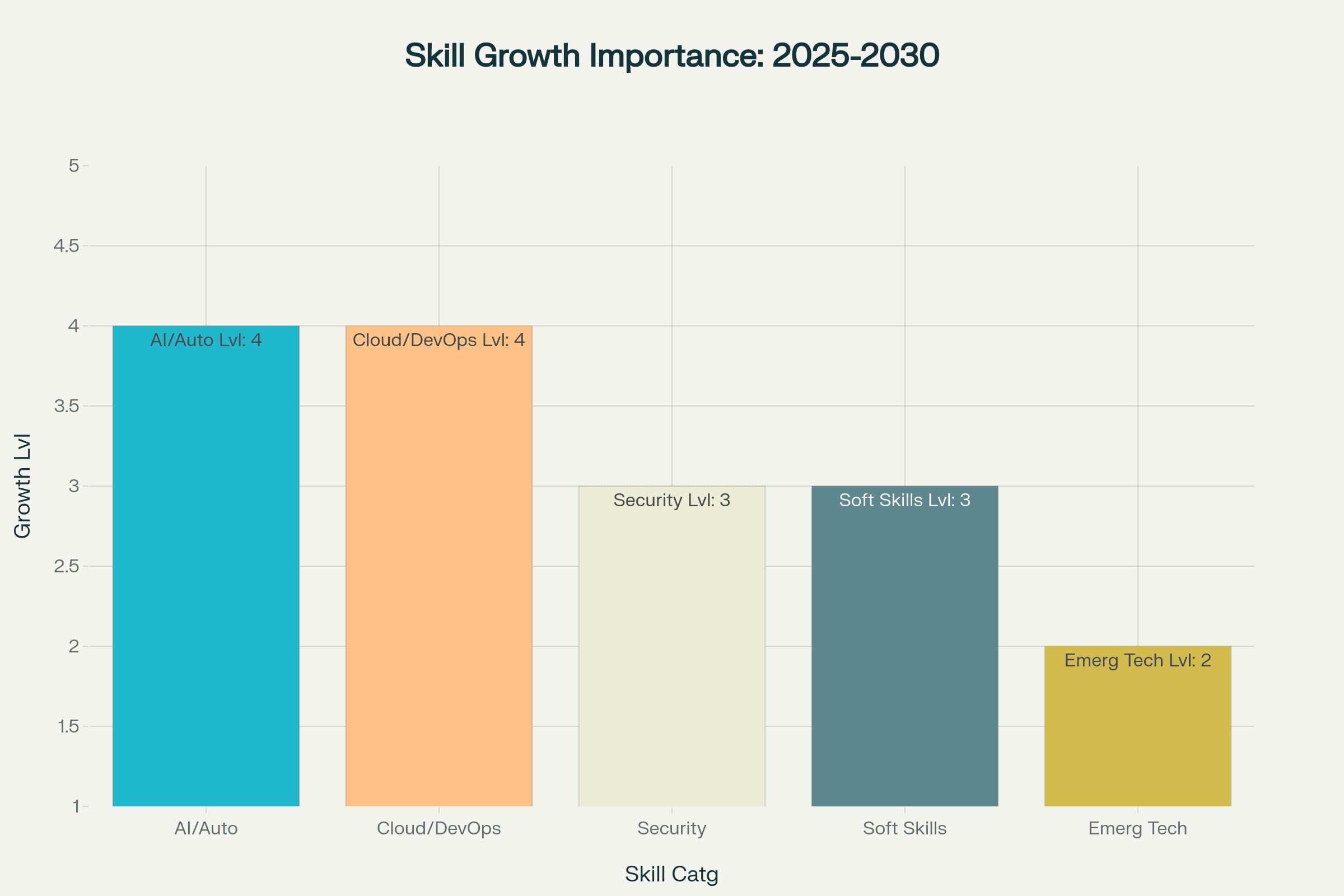
A leading global research firm forecasts that by 2028, about half of all software roles will shift toward “AI plus senior architecture design.” Programming skill is fading as the only threshold; complex technical-business integration is the new battlefield.
How Will the Division of Labor Transform?
Fewer Entry-Level Jobs: AI will take over most basic coding and debugging. Companies will favor skills in “architectural thinking” and “cross-functional collaboration.”
New Core Skills for Developers:
- Systematic architectural design and planning
- Team communication and collaboration
- Integrating business logic with technical solutions
- Continuous Learning Is Key: Those who can collaborate with and “teach” AI tools will be the most valuable talents.
- MentorCruise, "Your Complete Guide to Software Engineer Training", 2025
- Dev.to, "Exploring the Role of a Software Engineer in 2025", 2025
- Analytics Insight, "Top 10 Must-Have Skills for Software Engineers in 2025", 2025
- Brainhub, "Is There a Future for Software Engineers? The Impact of AI...", 2025
- Vocal.media, "The Future of Software Engineering: Trends and Predictions for 2025", 2025
- TechBullion, "Beyond Coding: The Expanding Skillset of Future Software Engineers", 2025
- Sabina-Cristiana Necula, "AI IMPACT ON THE LABOUR FORCE- SEARCHING FOR THE ANALYTICAL SKILLS OF THE FUTURE SOFTWARE ENGINEERS", 2023
6. Advice for Beginners: Be Bold, AI Will Run Beside You
The Core Tip
“Just go ahead and try it!”
Backed by Psychology
Behavioral science proves “learning by doing” is highly effective. With AI-enabled development, hands-on practice is the quickest way to build skills.
- Reduced Fear of Mistakes: AI sweeps aside 80% of common bugs, so you can focus on breaking new ground.
- Continuous Recovery: Mistakes are easily reversible, encouraging experimentation and faster learning.
Still hesitating on SuperClaude? Start today and join the next league of developers.
7. If AI Knew No Limits: My Dream Automated CI/CD Workflow
The Vision
“I’d love it to be part of automated build and deployment pipelines—the first automatic debugging checkpoint, then have senior engineers supervise its performance.”
Real-World Progress & Imagination
AI is increasingly part of Continuous Integration (CI) and Continuous Deployment (CD) workflows. Major platforms now run preliminary code checks and error detection, but “fully automatic debugging-to-deployment” is still cutting-edge. If SuperClaude could:
- Automatically complete, fix, and verify all errors
- Integrate seamlessly with CI/CD pipelines
- Document all solution paths for team re-use
That would usher in an era where productivity is driven by “senior engineers overseeing, AI doing the heavy lifting.”
8. Conclusion & Your Next Step: What Are You Waiting For?
SuperClaude is not just an upgrade in tooling; it’s the starting line of a professional workflow and cultural revolution.
- How AI leads debugging so engineers focus on innovation
- Turning project experience into a shared knowledge base
- Human-AI collaboration to break through current limits
- The dramatic transformation of talent needs and roles in the software industry
Every advance comes from a bold trial and deep reflection.
Join the Discussion & Share
Have you had your programming approach completely changed by an AI tool?
Leave your story and thoughts in the comments below.
If this article inspired you, please forward it to colleagues and friends—let’s move the software industry forward together!
“Innovation always begins with a bold first step.”